Understanding the Different Types of Solar Panels
As the demand for renewable energy solutions continues to soar in 2026, homeowners and businesses in Corona, California, are increasingly turning to solar panels to meet their energy needs. However, with a variety of solar panel types available, choosing the right one can be daunting. This guide will compare the main types of solar panels, helping you make an informed decision that suits your specific requirements.
Monocrystalline Solar Panels
Overview
Monocrystalline solar panels are made from a single, continuous crystal structure. Known for their sleek appearance and high efficiency, they are often considered the premium choice among solar panels.
Pros
- High Efficiency: Monocrystalline panels typically have the highest efficiency rates, ranging from 18% to 23%.
- Space Efficiency: Due to their higher efficiency, they require less space compared to other types.
- Long Lifespan: These panels generally offer longer warranties, often up to 25 years.
Cons
- Cost: They are the most expensive option, which might not be ideal for those on a tight budget.
- Performance in High Temperatures: Efficiency can slightly decrease in very high temperatures, common in Corona.
Polycrystalline Solar Panels
Overview
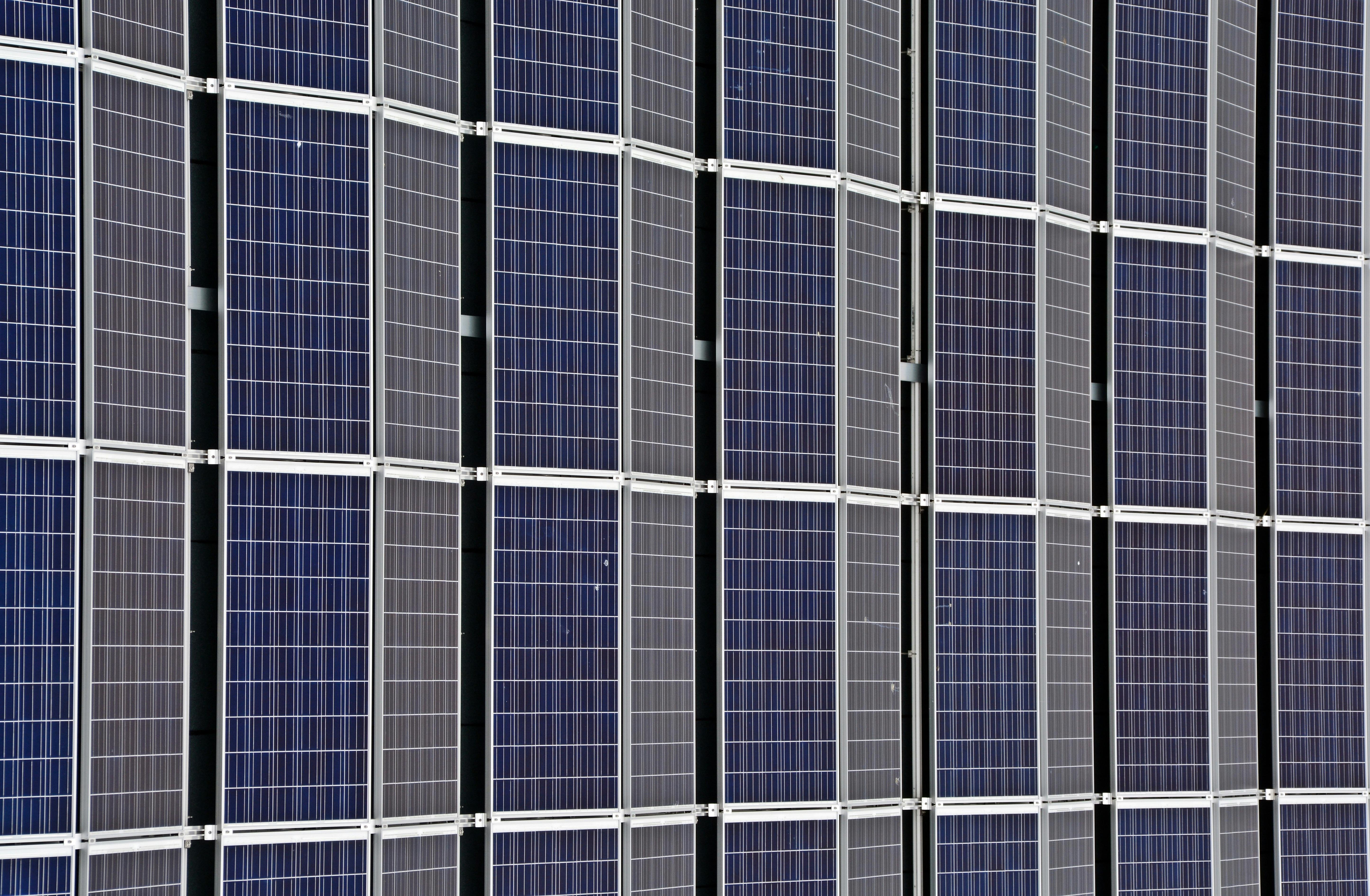
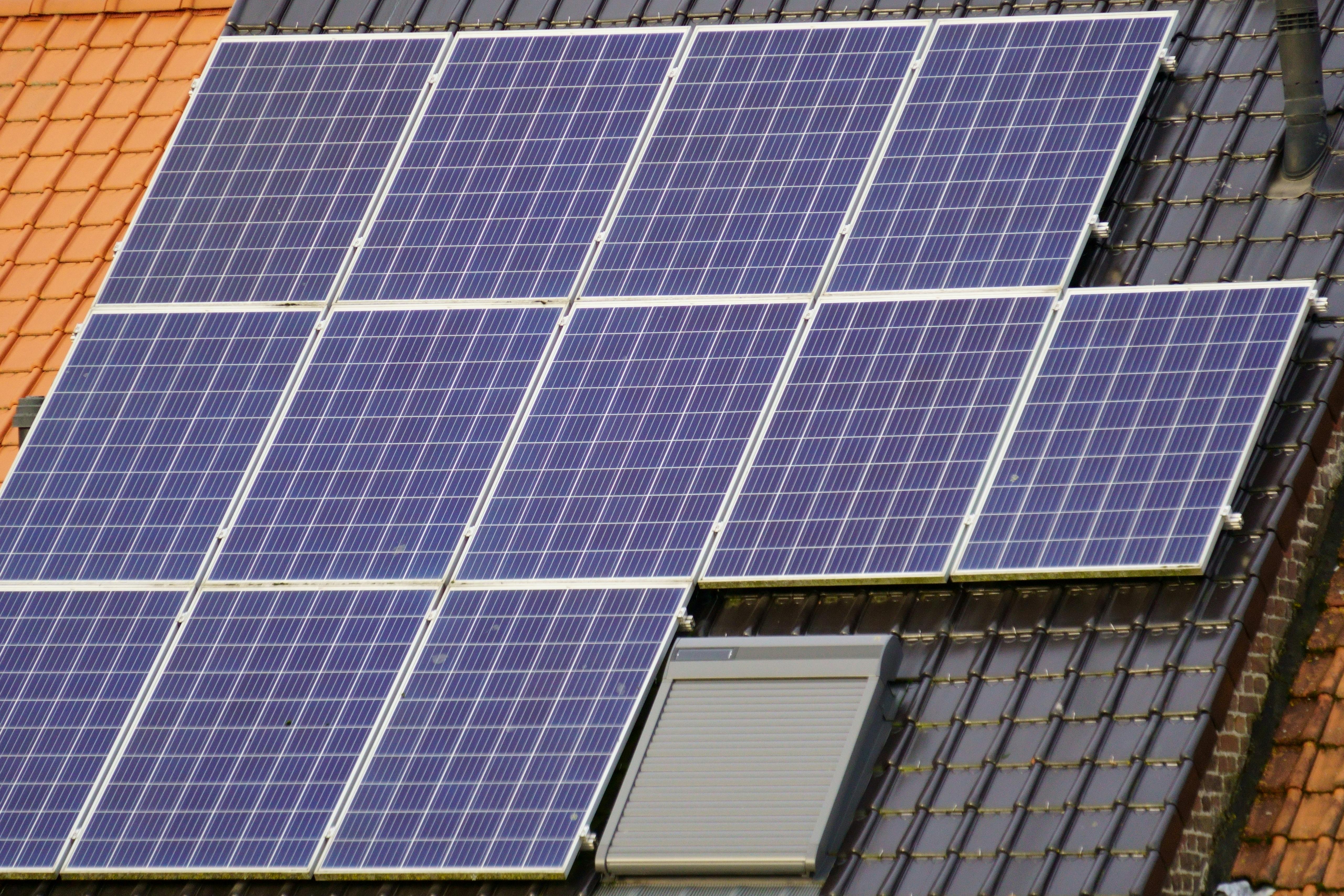
Polycrystalline panels are made from multiple silicon crystals. They have a distinctive blue color and are a more affordable alternative to monocrystalline panels.
Pros
- Cost-Effective: Generally less expensive than monocrystalline panels, making them a popular choice for budget-conscious buyers.
- Lower Heat Tolerance: These panels perform slightly better in high temperatures compared to monocrystalline panels.
Cons
- Lower Efficiency: Efficiency rates for polycrystalline panels range from 15% to 17%, which is lower than monocrystalline panels.
- Space Requirement: They require more space to produce the same amount of energy as their monocrystalline counterparts.
Thin-Film Solar Panels
Overview
Thin-film panels are made by depositing one or more layers of photovoltaic material onto a substrate. They are flexible and lightweight, making them versatile for different applications.
Pros
- Flexibility: Ideal for unconventional installations, such as on curved surfaces or rooftops with limited load capacity.
- Better Performance in Diffuse Light: Perform well in low-light conditions, such as overcast days.
- Cost: Typically the least expensive option to install.
Cons
- Lower Efficiency: These panels have the lowest efficiency rates, usually between 10% and 13%.
- Shorter Lifespan: They have a shorter lifespan and warranty period compared to crystalline panels.
Choosing the Right Solar Panel for Your Needs
When choosing the right solar panel for your home or business in Corona, several factors should be considered:
Budget
Consider your budget and the upfront costs versus the long-term savings. Monocrystalline panels, while more expensive initially, can provide greater efficiency and savings over time.
Available Space
If space is limited, monocrystalline panels might be your best option due to their high efficiency. Conversely, if you have ample space, polycrystalline or thin-film panels could be more cost-effective.
Environmental Conditions
Consider the climate in Corona. Polycrystalline panels may offer better performance in high-temperature environments, while thin-film panels might suit locations with frequent overcast skies.
Conclusion: Tailoring Solar Solutions to Your Needs
In 2026, choosing the right solar panel involves balancing efficiency, cost, and installation requirements. Whether you prioritize cutting-edge efficiency, affordability, or flexibility, One More Door-Solar in Corona, CA, is equipped to help you navigate these choices and implement a solar solution that meets your energy goals. By understanding the distinct advantages and limitations of each type, you can make a well-informed decision that best fits your needs.
For personalized advice and a detailed assessment tailored to your specific scenario, contact One More Door-Solar today. Our experts are ready to guide you through the solar panel selection process and help you make the most of the sunny Californian climate.