Introduction to Solar Power for Beginners
As the quest for sustainable energy solutions surges in 2026, more homeowners in Corona, California, are considering solar power. If you are new to the concept, this guide will walk you through the essentials of solar energy, its benefits, how to get started, and what to expect as you transition to solar solutions. Whether you're motivated by environmental concerns or the desire for energy independence, solar power offers a viable and efficient path forward.
Understanding Solar Power: The Basics
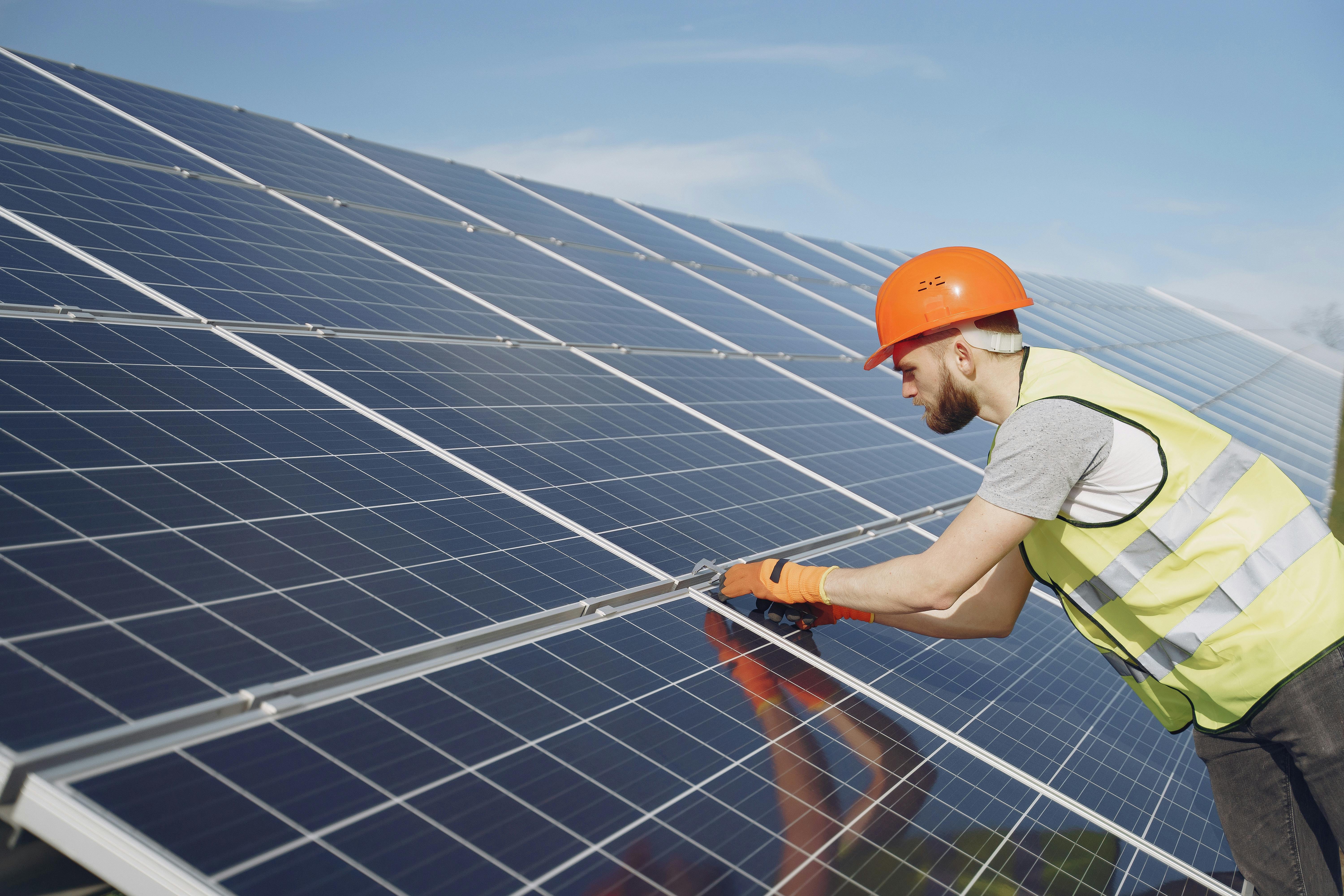
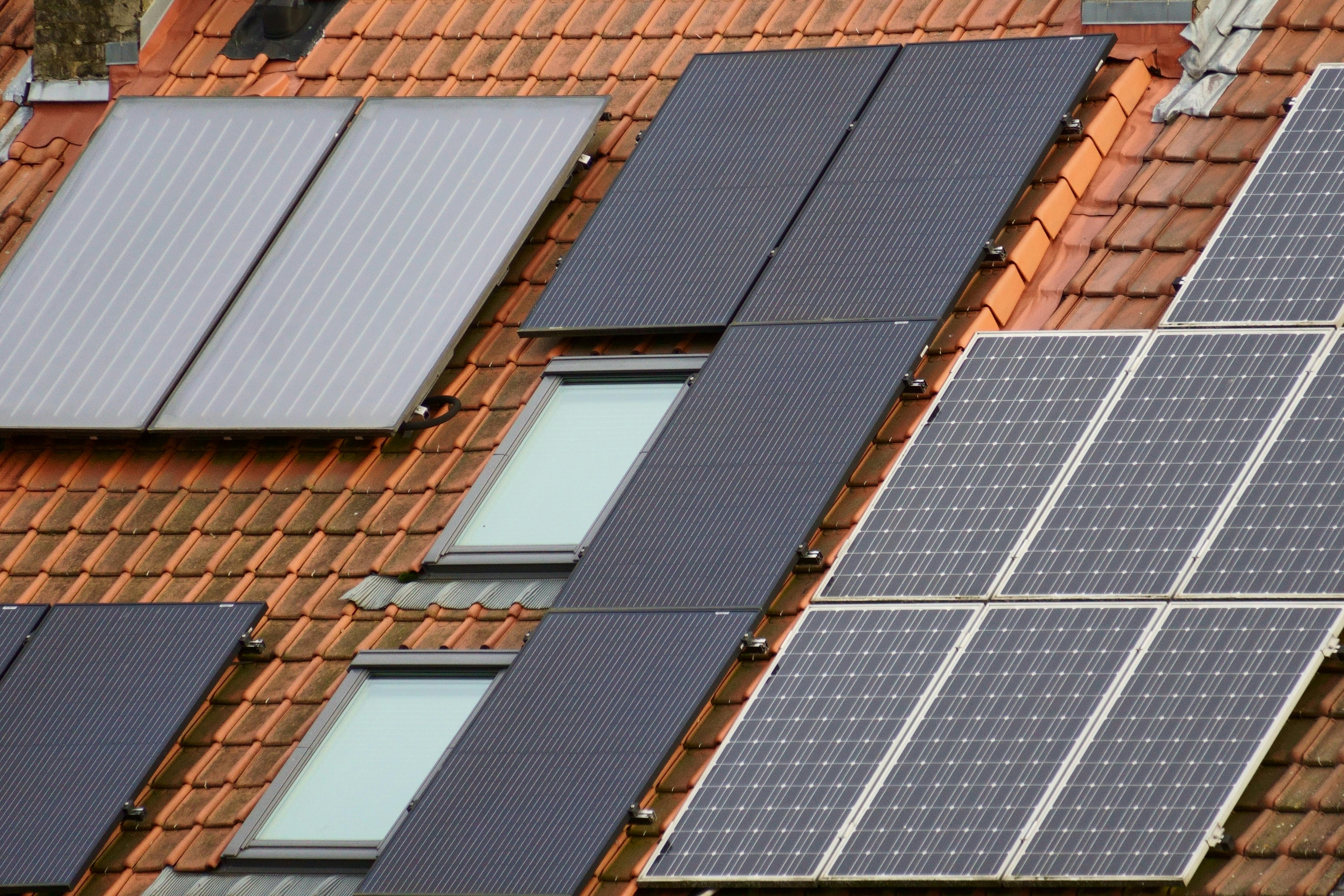
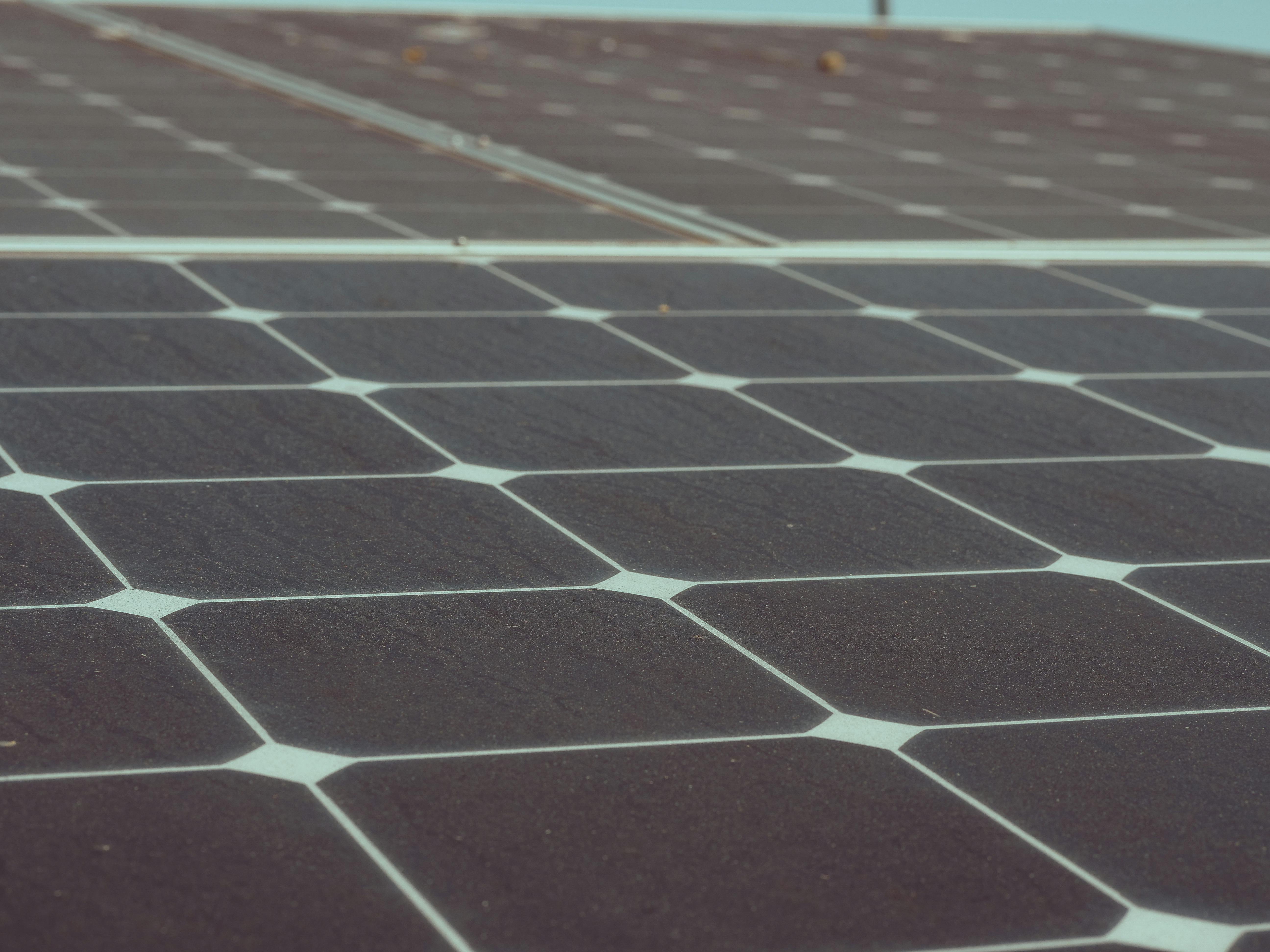
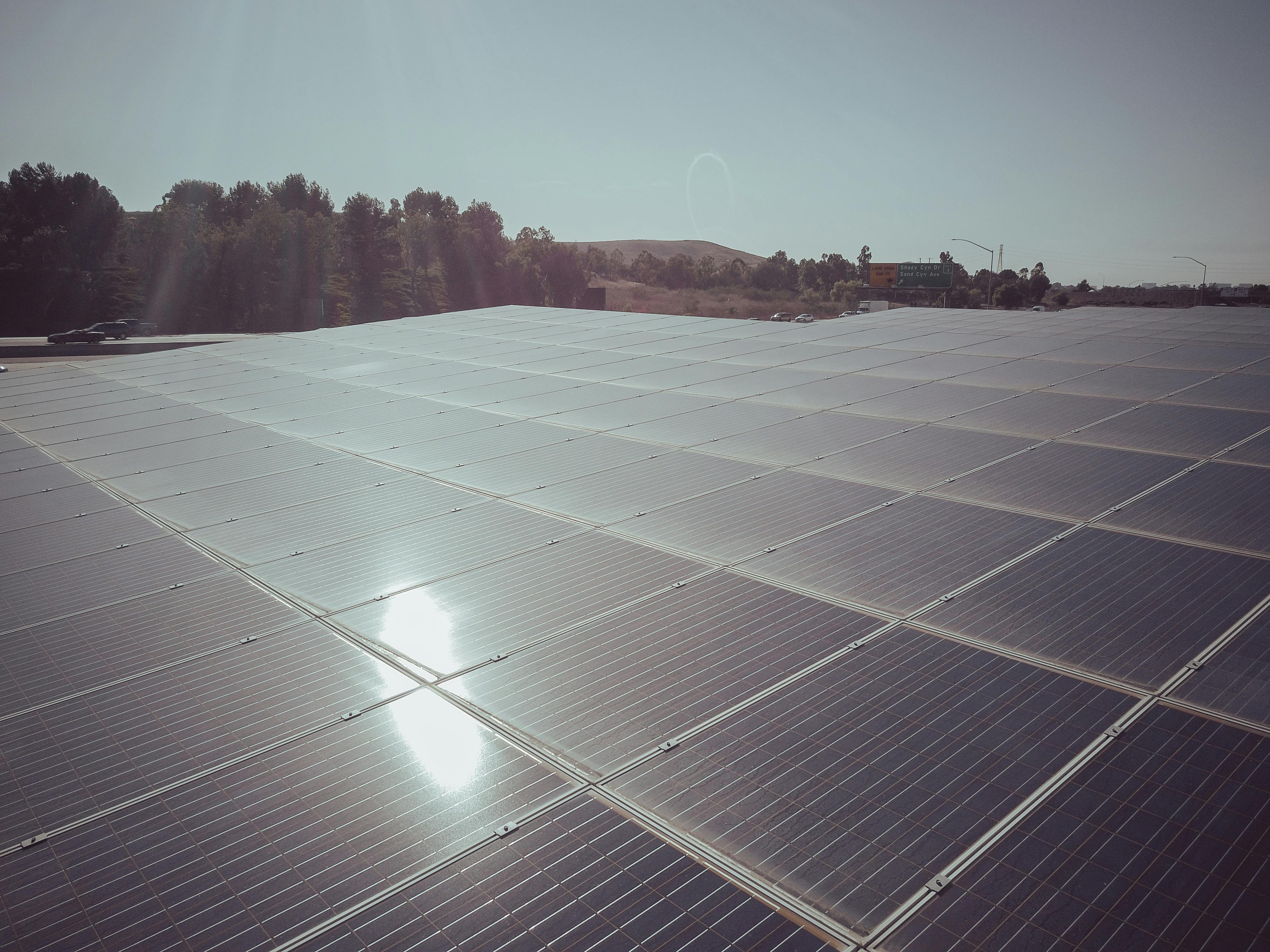
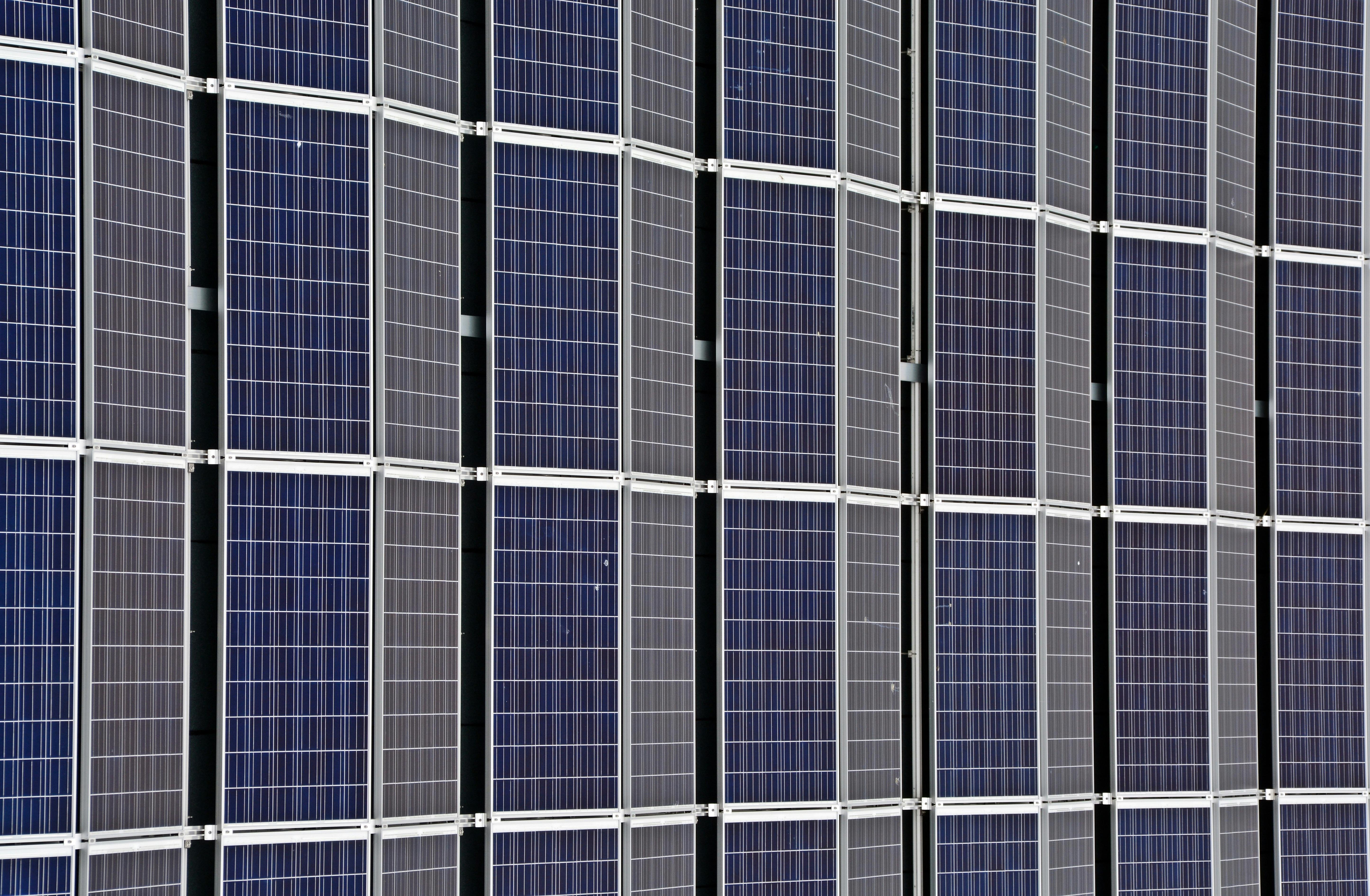
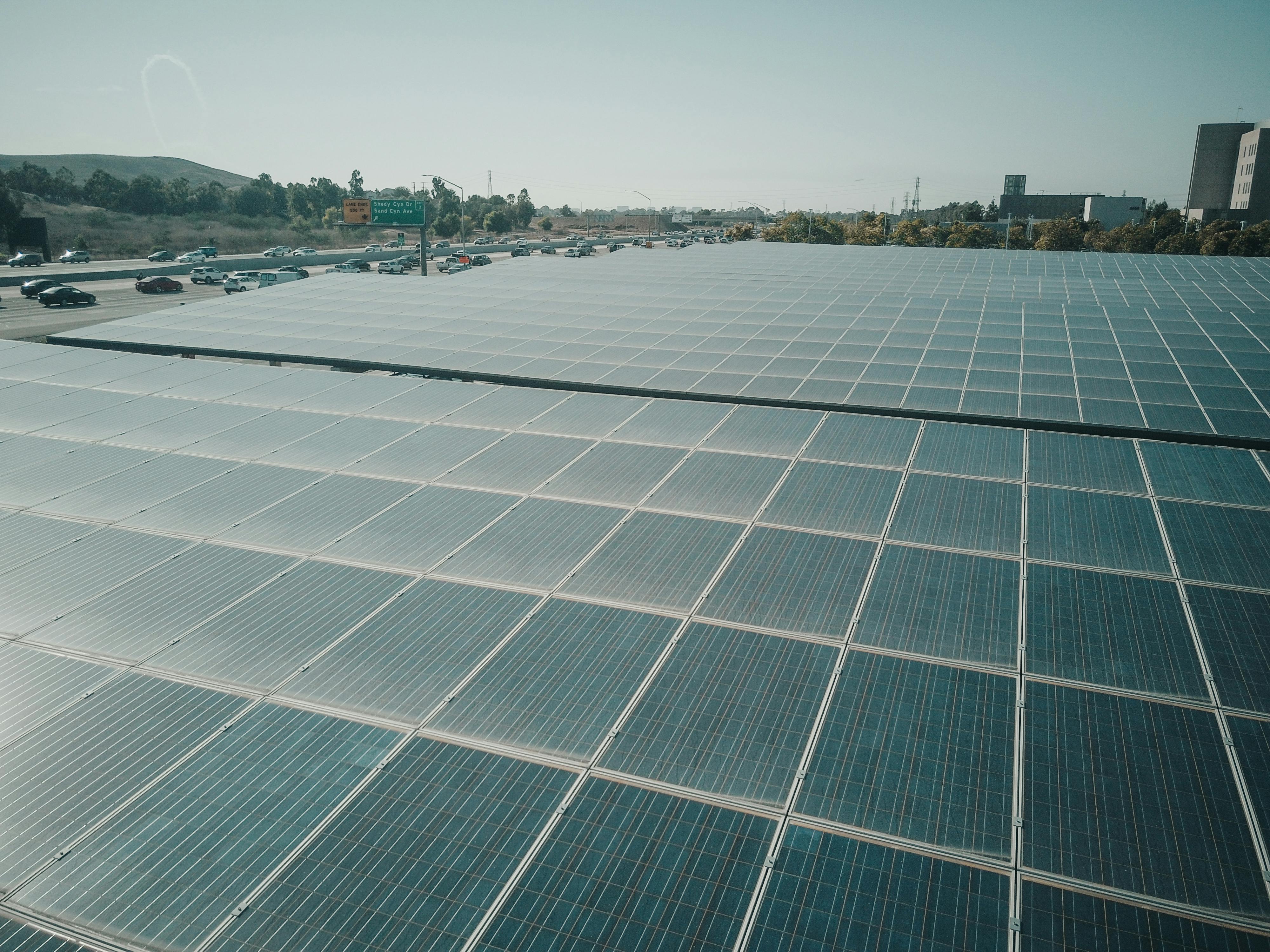
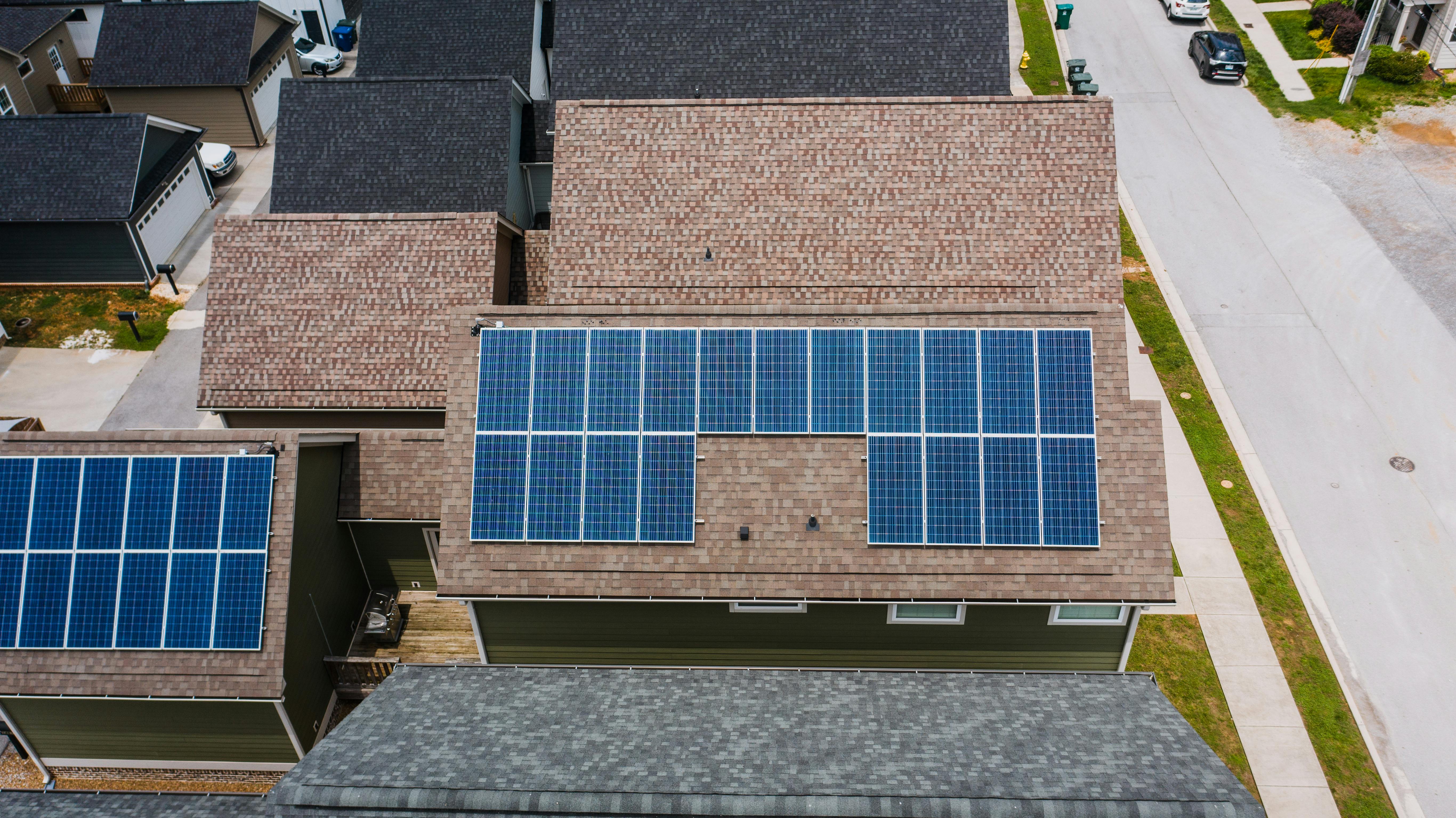
At its core, solar power is the conversion of sunlight into electricity using photovoltaic (PV) panels. These panels are typically installed on rooftops, where they capture solar energy and convert it into usable electricity for your home. This clean, renewable energy source reduces reliance on traditional fossil fuels and contributes to a more sustainable environment.
How Solar Panels Work
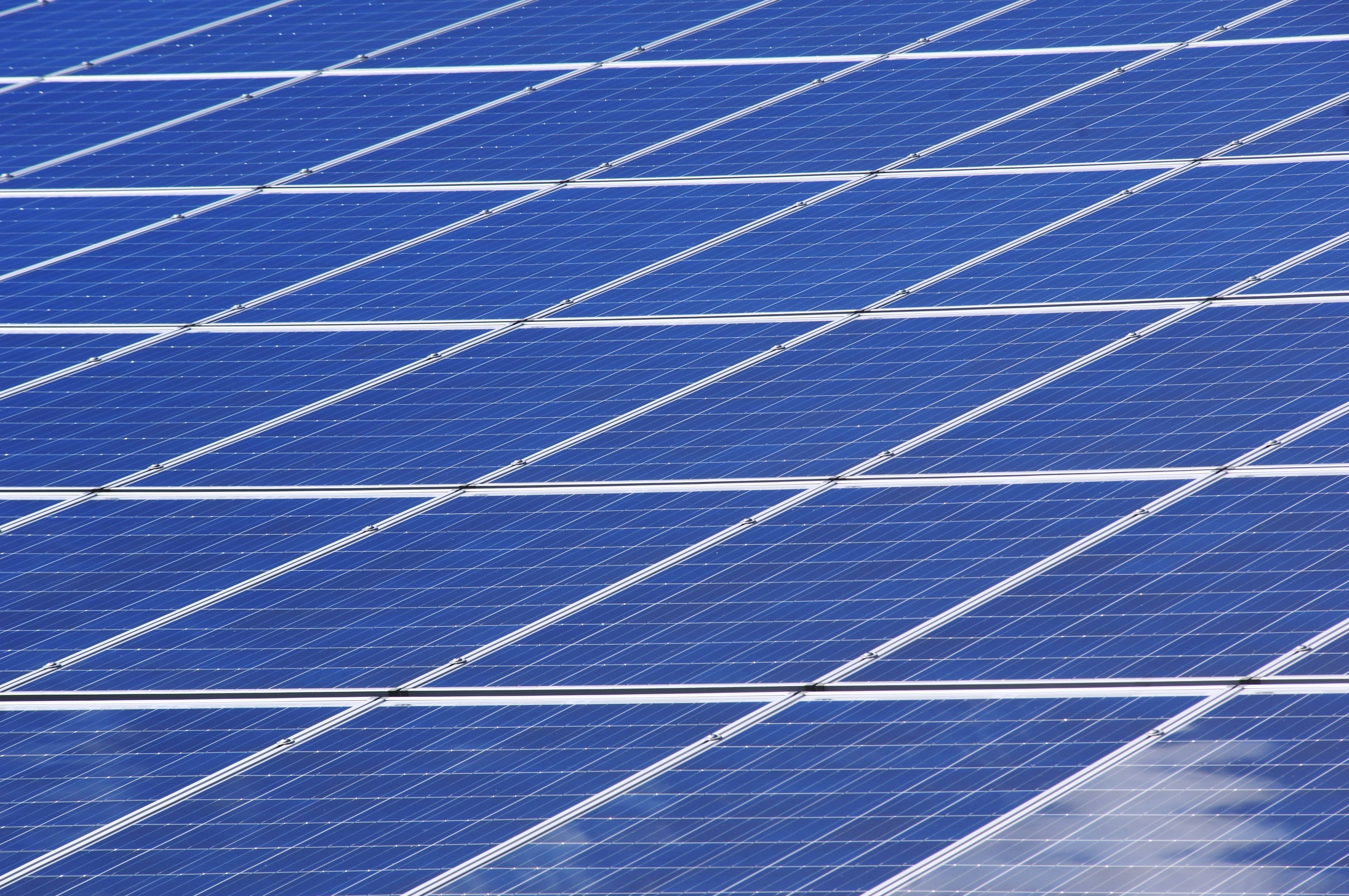
Solar panels are made up of many solar cells, which are constructed from semiconductive materials like silicon. When sunlight strikes these cells, it causes electrons to move, creating an electric current. This direct current (DC) is then converted into alternating current (AC) through an inverter, making it suitable for household use.
Benefits of Solar Power for Corona Homeowners
Adopting solar energy offers numerous advantages, especially for residents of sunny California. Here are some key benefits:
- Cost Savings: By generating your own electricity, you can significantly reduce your utility bills. Many homeowners see a return on investment within a few years.
- Environmental Impact: Solar energy is clean and renewable, reducing your carbon footprint and contributing to environmental preservation.
- Energy Independence: With solar panels, you become less reliant on the grid, offering protection against rising energy costs and power outages.
- Increased Property Value: Homes with solar installations often see an increase in property value, making it an attractive feature for future buyers.
Getting Started with Solar Power
Embarking on your solar journey involves several key steps. Here's a step-by-step guide to help you navigate the process:
1. Assess Your Home's Solar Potential
Not all homes are ideal for solar installations. Factors such as roof orientation, shading from trees or other structures, and roof condition play crucial roles. A professional solar assessment will help determine the feasibility and potential energy generation of your property.
2. Evaluate Your Energy Needs
Understanding your current electricity usage will help you determine the size of the solar system you'll need. Review past utility bills to get an idea of your average monthly consumption.
3. Explore Financing Options
Various financing options make solar installations more accessible. These include purchasing outright, leasing, or entering a power purchase agreement (PPA). Each option has its own benefits and drawbacks, so consider what aligns best with your financial situation.
4. Select a Reputable Solar Provider
Partnering with a reliable solar company like One More Door-Solar in Corona ensures a smooth installation process and quality service. Look for providers with strong reputations, customer reviews, and industry certifications.
5. Schedule Installation
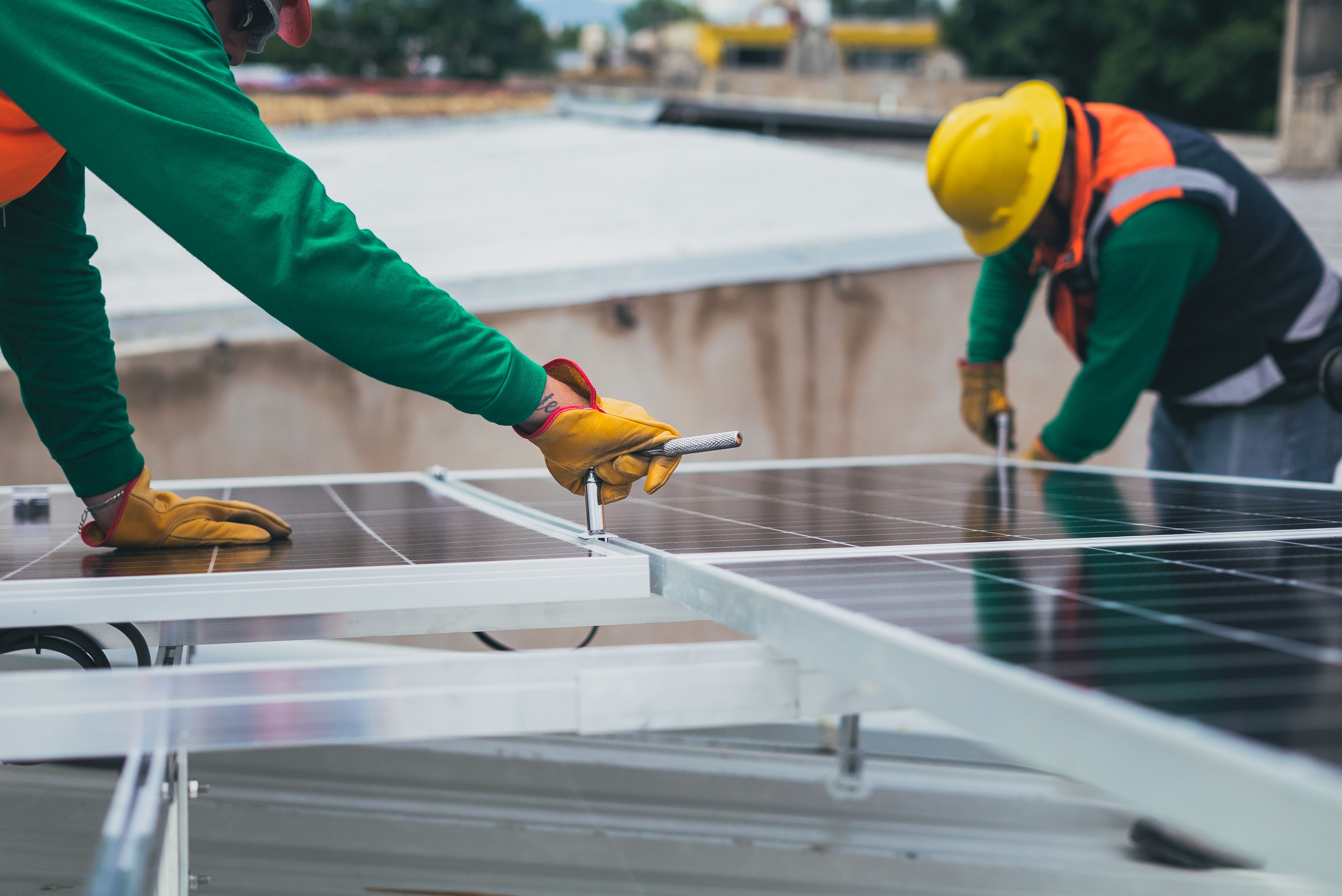
Once you've chosen a provider and signed a contract, the installation process begins. This typically involves several stages, including design, permitting, installation, and final inspection.
Maintaining Your Solar System
Solar panels are low-maintenance, but regular upkeep ensures optimal performance. Here are some maintenance tips:
- Keep Panels Clean: Dust and debris can reduce efficiency. Periodic cleaning, especially in dry areas like Corona, is advisable.
- Monitor System Performance: Use monitoring tools provided by your installer to track energy production and identify issues early.
- Schedule Professional Inspections: Annual inspections by a qualified technician can help maintain system health and efficiency.
Common Concerns and FAQs
As a beginner, you might have questions about transitioning to solar. Here are answers to some common inquiries:
Is My Home Suitable for Solar?
Most homes can support solar panels, but a site assessment will determine optimal placement and potential output.
What If I Produce More Energy Than I Use?
Excess energy can often be sold back to the grid through net metering, providing additional savings or credits on your bill.
How Long Do Solar Panels Last?
Quality solar panels have a lifespan of 25 to 30 years, with most manufacturers offering warranties covering significant portions of this period.
Conclusion: Taking the First Step Toward Solar
Transitioning to solar power is a significant step towards sustainability and energy independence. As a homeowner in Corona, California, embracing solar energy not only benefits your finances but also contributes positively to the environment. For further assistance, reach out to One More Door-Solar, your local solar experts, and begin your journey toward a cleaner, greener future today.